Water Quality Month: Everyone Has a Role in Protecting Clean Water
08/11/2026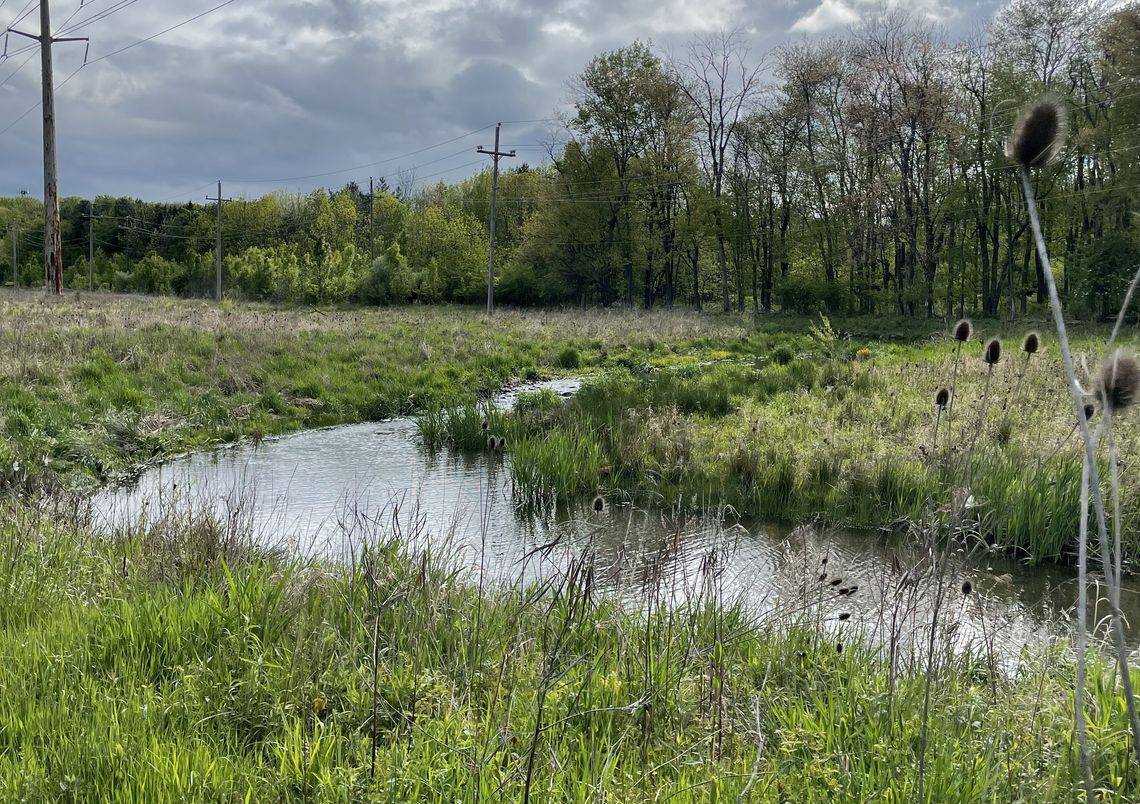
When we think about water quality, it's easy to focus on rivers, streams, and drinking water. But the health of our water is shaped by decisions made every day about land use, transportation, energy, housing, community development, and conservation.
That's why protecting clean water requires more than environmental stewardship alone. It takes collaboration among organizations working across sectors to create healthier, more resilient communities.
During Water Quality Month, we're recognizing the many ways organizations throughout our region contribute to cleaner water. Some protect streams and watersheds directly. Others help reduce pollution, manage stormwater, strengthen climate resilience, or improve the health of the communities connected to these natural systems.
One example of these connections can be found in a PECO power line corridor in the Wissahickon watershed, where Wissahickon Trails led a stream restoration project completed in 2020. The success of this project was brought to fruition by the support of private and public partners. The project was designed to slow stormwater during heavy rain and give it more time to soak into the ground. Without those measures, water can rush downstream, eroding streambanks and carrying sediment and other pollutants with it. By working with the landscape, the restoration helps reduce those impacts and protect conditions downstream.
Wissahickon Trails is currently managing two grants that will advance additional water quality improvement projects. Like the 2020 restoration, both require partnership and support from multiple organizations and sectors. Water quality and stormwater projects installed in the Wissahickon watershed provide benefits for communities that live and work downstream, where Wissahickon contributes to the drinking water source of Philadelphia!
Partnerships across sectors have been essential in the success of water projects led by Wissahickon Trails, and these partnerships are required to address complex environmental and community challenges.
These same principles are reflected in the work or organizations throughout our learning community. Some members contribute to community sustainability through planning and infrastructure. The Delaware Valley Regional Planning Commission (DVRPC) supports regional planning efforts that help communities address stormwater management, flooding, transportation impacts, and land-use decisions that affect watershed health. Thoughtful planning can reduce runoff, protect natural resources, and create communities that are better equipped to withstand environmental challenges.
The connection between buildings and water quality is also significant. Through energy efficiency, sustainable building practices, and resilience initiatives, organizations such as Green Building United, New Ecology, the Energy Coordinating Agency, and the Philadelphia Energy Authority help advance solutions that reduce environmental impacts on communities and natural resources. Their work demonstrates that healthier buildings and healthier watersheds are not separate goals. Green infrastructure, climate-resilient design, and more sustainable development can help limit polluted runoff while reducing environmental impacts on communities and natural resources.
Climate change poses growing challenges for water quality, from more intense storms to increased flooding and stormwater pollution. Efforts to reduce greenhouse gas emissions and help communities adapt can also benefit water quality. Organizations such as Generation180 and the Philadelphia Office of Sustainability help advance clean energy and sustainability strategies that support healthier environmental outcomes for both people and ecosystems.
Community engagement is equally important. Environmental projects are strongest when residents understand the issues, have a voice in the solutions, and can take part in caring for local natural resources. Through education, outreach, and stewardship programs, organizations such as Wissahickon Trails and the Overbrook Environmental Center help people understand how their choices connect to the land and water around them.
Together, these organizations and initiatives demonstrate an important reality: water quality is not just a water issue. It is connected to the health of our neighborhoods, the design of our infrastructure, the protection of our natural spaces, and our ability to build sustainable, resilient communities.
This Water Quality Month, we celebrate the diverse contributions of organizations across our learning community contributing to that shared work. Together, efforts in conservation, planning, sustainability, resilience, education, and community engagement can lead to cleaner water, healthier ecosystems, and stronger communities for all.